
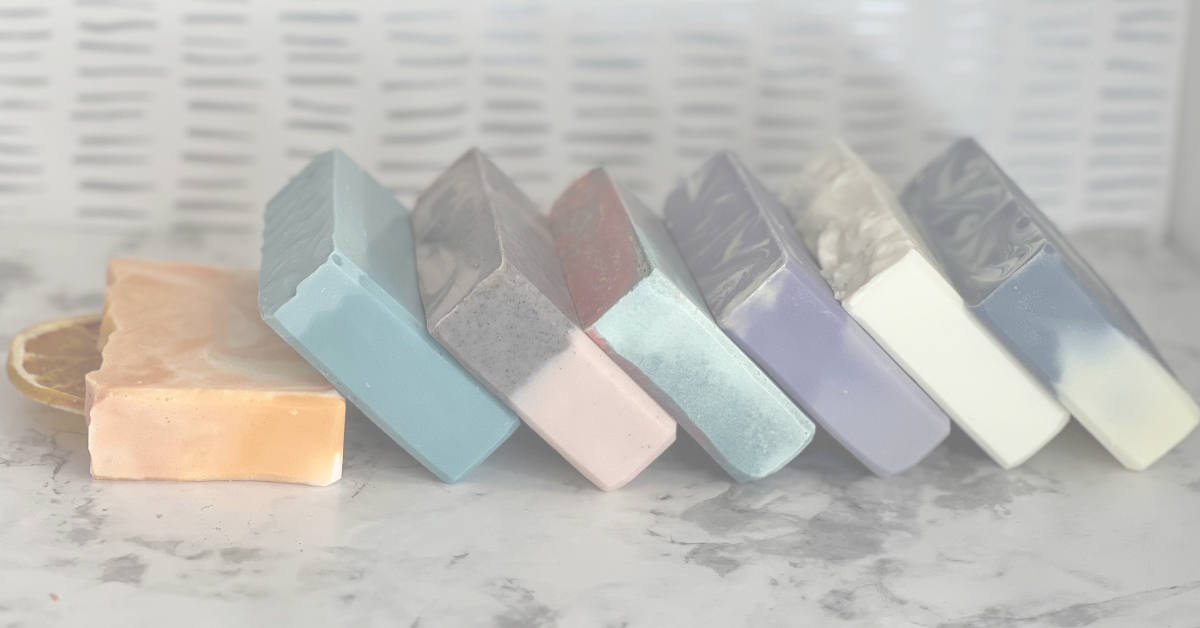
In the world of personal care products, handcrafted bar soap has found a dedicated fan base. With its artisan appeal, unique scents, and natural ingredients, it promises a sensory experience that store-bought options often lack. However, as with many handmade goods, handcrafted soap is not without its imperfections. Understanding these quirks can help consumers appreciate the beauty of artisanal crafting while setting realistic expectations.
1. Unique Appearance
One of the joys of handcrafted soap lies in its individuality. Each bar can vary in color, texture, and design, reflecting the artisan’s style and creativity. However, this uniqueness can also be perceived as imperfections. Swirls might not be uniform, bubbles might form unexpectedly, and scents can be more or less pronounced from one batch to another. Embracing these variations allows consumers to see the artistry behind each bar and appreciate that no two soaps are identical.
2. Natural Ingredients, Naturally Imperfect
Many artisans choose all-natural ingredients when crafting their soaps, which can lead to more varied results. Natural oils and butters can behave unpredictably during the saponification process, which may lead to inconsistencies in texture or hardness. Unlike mass-produced soaps, which may rely on synthetic additives for uniformity, handcrafted soaps celebrate the rawness of their components. This can mean occasional soft spots, bubbles or uneven lather, but it also means fewer chemicals and a commitment to sustainability.
3. Scent Variations
While many handmade soaps are infused with essential oils, these fragrances can differ significantly from batch to batch. Factors such as the quality of the oils, the specific method of combining them, and even the temperature during the soap-making process can affect the final scent. This means that a beloved orange soap might smell slightly different each time it’s produced. For some, this unpredictability adds to the charm, but for others, it can be a letdown if they’re hoping for a consistent aromatic experience.
4. Cure Time Limitations
Handcrafted soaps require a curing period, allowing the saponification process to complete and the bars to harden properly. The curing time can vary based on the ingredients used and environmental factors. A soap that hasn’t cured long enough might be softer and less durable than expected. This variability teaches patience and fosters a deeper connection between artisan and consumer; waiting for the perfect bar to reach its full potential becomes part of the ritual.
5. Price Reflection
The artistry and labor that go into creating handcrafted soaps often come with a higher price tag compared to mass-produced products. This expense can be seen as an imperfection, especially for consumers accustomed to more affordable options. Yet, it’s essential to consider that each bar is often made with care, premium ingredients, and a commitment to quality. For the small business owner who takes care of every small detail, from planning scents and colors to packaging and labels, making handcrafted soap is very time consuming. Understanding where your dollars go can foster a greater appreciation for the craft and the value of supporting small businesses.
While handcrafted bar soap may not be perfect, its imperfections contribute to its charm and unique appeal. By embracing the variety in appearance, scent, and texture, consumers can enjoy a more authentic experience that mass-produced soaps simply cannot offer. The next time you reach for a bar of artisanal soap, remember that its quirks tell a story—a story of creativity, nature, and the dedication of skilled artisans. Celebrate the beauty of imperfection, and you might find that outside of a pristine façade lies a world of wonder and character worth exploring.
Take a look at all of the handmade soap and other natural self-care products offered by Dunkirk Soap Co. Visit the store here.